18 May

Kiyan Prince, 15 was stabbed as he tried to break up a fight outside his school in North London. The popular student was in the football youth team at Queens Park Rangers who had dubbed him "One for the future". A 16-year-old is charged with the fatal stabbing.
26 February

Karen Hartshorne, 37, was found stabbed to death at an address in Norton Crescent, Coseley.
|
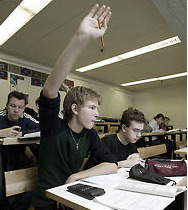
Education is key Education must be a key factor if the growing use of knives among young people is to be tackled. Most police forces in Britain provide crime and drug prevention talks for teenagers by going into schools, particularly secondary schools, and giving children between the ages of 11 and 18 education on the dangers of knives and other weapons. The West Midland Police have taken knife education one step further by producing ‘Tooled Up for School’ - an educational package including a DVD film and a music video, which is aimed at warning youngsters of the dangers of carrying a knife. |
Educational Development Liaison officer Bev Layton said they use the new technology to get the message across to young people by sending clips of the DVD via video-phone messaging.
“Our aim is to put an end to the teenage knife culture.”
Fifteen other forces all over the country are now using ‘Tooled up for School” as a teaching tool.
The Be Safe project is run by ex policeman Kevin Everard and his staff along with numerous people they have trained to deliver their programme throughout Britain.
They go into school, youth groups or prisons and deliver educational workshops on the dangers of carrying a knife. So far they have educated over 50 thousand young people on the implications associated with carrying knives.
Schools, government, police and films, can all assist in educating and spreading the message - and no matter their age, children must be made aware of the dangers of carrying weapons.
Parents must also accept responsibility and play a key role in educating their children.