COULD VEGS GET EVEN GREENER?
 It all started with the lead of American First Lady Michelle Obama who believes that growing more food locally can lead to more healthy eating, reduce reliance on huge industrial farms and of course help to save money.
And one-in-five Americans decided to grow their own food, revealed the American national survey “Luxury or Necessity? The Public Makes a U-Turn”, Pew Research Center.
The White House garden has turned into a political, environmental and economical symbol of these difficult times.
Any way to save a bit of money seems to be welcome as the economy worsens. There are signs that if it’s healthy and ethical, it becomes more attractive.
Amazon British branch’s best sellers in the food section are The Thrift Book, Food for free and The Penguin Handbook of Poultry and Rabbits on Scraps. And demands for allotments doubled in 2008.
“At a time when every penny counts, saving nearly £300 million is a great achievement for hard pressed consumers.”Lisa Goodwin, WRAP
Stella Barron, 82 years old gardens her plot every day at the Widdicombe allotment in Poole. She said: “A packet of seeds of lettuce costs only 99p and they can last up to five years and give you a hundred lettuces in total. So it’s well worth the expenditure!”
But with up to 10 years of waiting for the 100,000 national allotments, newly-inspired gardeners need to be patient. With the success of parcels of local gardening, the National Trust is releasing land which could be used for up to 1,000 allotments on some of the best known country estates in Britain, and should be available to individuals or community projects at 40 sites in England, Wales and Northern Ireland.
But growing your own veggies is not the only option to save up.
The campaign ‘Love Food Hate Waste’ launched by WRAP (Waste and Resources Action Programme) gives advice to consumers who want to waste less and save more.
From the food dates explained to the two weeks meal planner, from recipes with left over to the perfect portions, LoveFoodHateWaste.com promises to make you save up to £50 a month.
Liz Goodwin, Chief executive of WRAP said: “At a time when every penny counts, saving nearly £300 million is a great achievement for hard pressed consumers.”
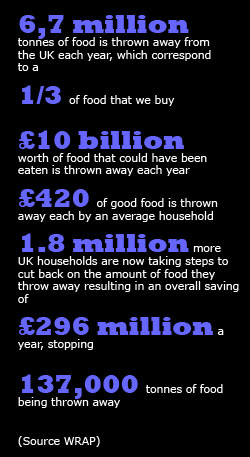
A WRAP research showed that 1.8 million more UK households are now taking steps to cut back on the amount of food they throw away, resulting in an overall saving of £296 million a year, stopping 137,000 tonnes of food being thrown away.
Julia Falcon from ‘Love Food Hate Waste’ said: “the campaign aims to raise awareness of the need to reduce the amount of food that we throw away, and doing this will benefit us as consumers and the environment.”
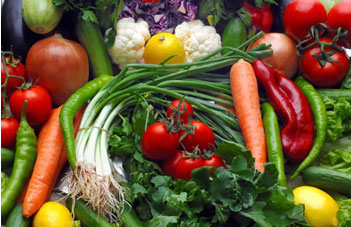 In America, the website Veggietraders.com offers gardeners to sell, buy or trade with other local veg growers. Users just punch in their ZIP code to find who they want to swap their production with. And it’s free.
Rob Anderson, administrator of the website said: “We think knowing where your food comes from and supporting your local economy are more important these days than ever. And saving money (or making a little extra) doesn't hurt either.”
THE COST OF WASTE
LINKS