
What animals are used in medical research?
Armadillo
Researchers have found that the core body temperature of the armadillo is low enough to favour the growth of the leprosy-causing bacterium Mycobacterium leprae
Bee
The natural products of bees, such as royal jelly, honey and even their venom, have been found to have significant effects in cancer treatment and prevention.
Cat
Studies on cats have given researchers better understanding of eye disorders like amblyopia (lazy eye) and strabismus (cross-eye
Dog
It was first discovered that diabetics lacked the hormone insulin through studies in dogs – the results of which earned scientists the Nobel Prize in the 1920s.
Equid
A century ago, horses were used to produce an antitoxin to treat diphtheria.
Ferret
Because ferrets are domesticated and their menstrual cycle is easily monitored, they have become important in reproduction research.
Back
Guinea pig
Guinea pigs have contributed to 23 Nobel prizes for medicine with studies leading to the discovery of Vitamin C, the tuberculosis bacterium, and adrenaline, as well as the development of vaccines for diphtheria and tuberculosis, replacement heart valves, blood transfusion, kidney dialysis, antibiotics, anticoagulants and asthma medicines.
Hamster
An interesting use of hamsters in medical research is the study of the neural basis of our internal daily (circadian) rhythms – in humans this controls our sleep-wake cycle over a 24h period.
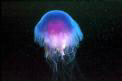
Jellyfish
Some researchers have used jellyfish to search for an effective anti-venom to save victims of Sea Wasp stings, whilst others are studying the chemicals in jellyfish for possible use in treating cancer.
Kangaroo
Kangaroo meat is the best source of CLA (conjugated linoleic acid) – a healthy fat which possesses potential anti-carcinogenic and anti-diabetic properties, in addition to reducing obesity and high blood pressure.
Lagomorph
Rabbits are often used in research into respiratory disease such as asthma.
More