by Simon Essex

Britain could face crop shortages
Biodiversity scientist Dr Simon Potts says that Britain could face severe shortages of foods pollinated by honey bees: "In terms of crop production, we will be under increasing threat.
"We will be demanding more from honey bees but we'll have less of them. There will be more pressure from intensive agriculture, misuse of agrochemicals and especially diseases coming into the UK."
Dr Potts, who teaches at Reading University, says that animals would also be affected: "We'd be in a bad situation in terms of supporting all the animals that depend on wildflowers pollinated by honey bees."
Beekeeper John Chapple agrees with Dr Potts: "The wildlife around us is going to suffer if the bees disappear. Humans can survive without bees, but I don't think anything else can."
Call for calm
Professor Francis Ratnieks is Britain's only professor of apiculture (bee science). He recognises the problems facing honey bees, but says that the situation won’t reach the crisis that Dr Potts and Mr Chapple envisage: “Ever since I started studying bees 20 years ago, there have been regular sources of articles claiming bees are going to die out.
“Things like honey bee epidemics happened years ago and no-one paid attention. Lots of beehives were dying and no-one was worried. It’s not a new problem. It’s a new wrinkle on an ongoing problem.”
Jean Smith and her husband Tony have kept honey bees for forty years and share Prof Ratnieks's scepticism. This year they lost all of their hives, but Mrs Smith is confident the bees will not die out: "They won't disappear, they've survived for 30 million years or more."
Although Mrs Smith thinks the bees will survive, she says they will be affected: "Honey bees will be greatly reduced in numbers and it's a disaster really."
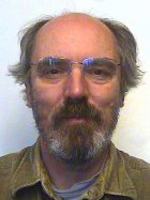
Professor Ratnieks: Honey bees won't die out
Editor of the Journal of Apiculture Research Norman Carreck is concerned that control methods for the varroa mite - a parasite that infests and kills entire bee colonies - are becoming harder to manage: “People are still buying an obsolete chemical to deal with varroa. The problem is, enormous chemical firms are not going to spend money developing products for bees.”
Dr Potts says responsibility must lie with the government: "Defra are not reacting quickly enough. If you talk to them on a personal level, they are concerned. However, personal concern does not translate into action. They are a long way behind."
Uncertainty
Mike Brown of the National Bee Unit (NBU) is unsure of the future for honey bees: “Since 2001, the annual bee losses have increased, so that’s indicative. It’s a multi-factor problem: climate, crops, nutrition, management, disease.
“I don’t really know what will happen. Things might get worse, but it’s very difficult to predict. All I know is that most plants require and will always require pollination.”
Prof Ratnieks says the key to safeguarding the future for honey bees lies in research: “The government of this country have so far refused to increase funding for bee health. Our main research station was closed down.
“The bee health research done by the National Bee Unit is not very great. The amount of end product is not very great at all.”
Prof Ratnieks says honey bees won't be saved by the NBU but by research from independent scientists: “I have tried five times to get money to study bee health in this country and every time I was turned down. It’s very difficult to get money.”
On this topic Dr Potts agrees with the professor: "We need to properly understand what the declines are being caused by, so that we can do something positive to intervene. That might give us a much better chance of avoiding a crisis."
No more bees means no more business - click here to watch a video and see how important bees are to crop farmers.
Mr Carreck was at Rothamsted bee unit, developing a potential cure for the varroa mite before the centre was shut down. Click here to read more about Rothamsted.


