
| About |
| GI Diet special report |
| Celebrity diets |
| Diet digest |
| GI diet diary |
Atkins lifespan |
| Contact us |
Fad diet digest
A quick guide to some of the most
popular diets on the market.
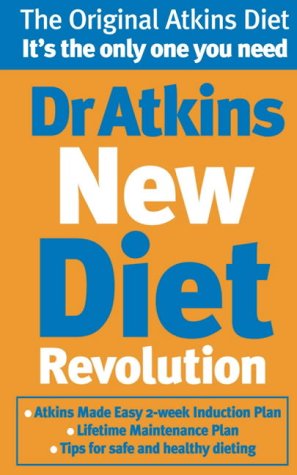 The
Atkins Diet. Invented
by the late Dr Atkins, this diet is a low carbohydrate plan where
starchy foods such as bread are replaced with foods that are high
in fat such as fried eggs. It claims to make the body enter a state
called ketosis, which means it switches from using glucose for energy
and starts burning fat. Documented side effects include constipation
and bad breath.
What the experts say
“The body needs
a wide range of nutritional elements in order to function. Carbohydrates
are vital to the body for energy and fluctuating blood sugar levels
can lead to type 2 adult diabetes. I don’t recommend the Atkins
Diet.”
Lesley Hampton
Nutritional science expert
What you say
“I lost quite
a bit of weight but it didn't stay off long-term and it made me very
tired with aching bones. I've since had much better success joining
a gym.”
Daniell Morrisey
Recruitment account manager, London
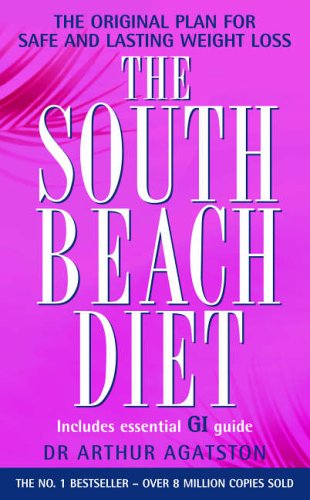 South
Beach Diet. Two weeks
and lose 13lbs, that’s what this diet claims. It also says that
the weight will come off specifically in the most unwanted body areas
such as the bottom and stomach. It is basic combination of the GI
Diet and the Atkins Diet where a carbohydrate free diet is recommended
for the first two weeks and then a healthy diet follows.
What the experts say
“The recommended
weight loss of up to 13lbs worries me. While most of us would love
to lose almost a stone in a fortnight, it's not a healthy way to lose
weight and unfortunately, it's likely to go straight back on once
you return to less restricted eating habits.”
Juliette Kellow BSc SRD
Consultant dietician, Weight Loss Resources
What you say
I went on the South
Beach diet and lost a stone. I’ve also managed to keep the weight
off. I feel more confident and have more energy. I wish I’d
done it years ago.”
Vanessa Kudom
Charity press officer, London
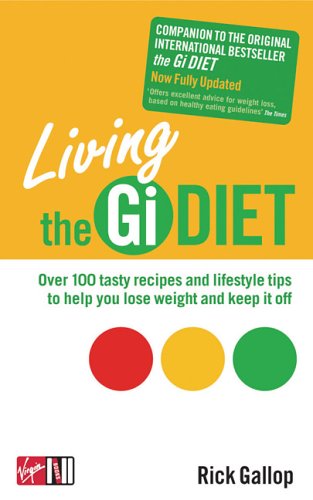 The
GI Diet. Based on the glycemic index of foods, which is a
measure of how quickly carbohydrates are digested. The diet is designed
to sustain energy, avoid blood sugar swings, and encourage your body
to burn fat. It works by replacing simple carbohydrates with complex
carbohydrates, and allows a broad range of food choices.
What the experts say
“It certainly
benefits diabetics and is useful in controlling blood sugar levels
but that doesn’t mean it works for weight loss.”
Doctor Frankie Phillips
British Dietetic Association
What you say
“I’m
trying the GI diet because it feels like basic common sense and just
cuts out foods you know you probably shouldn’t eat anyway like
crisps and cakes.”
Jess Burt
Trainee editor, London
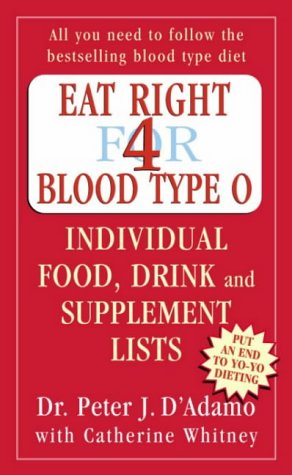 Blood
Type Diet. The top-line of this super scientific diet is
that your blood group will determine which foods are antigens (or
alien) to your blood type and you should avoid them. For example:
type O’s are evolved from hunter gatherers and should eat a
diet suitable for this activity - lots of meat and few carbohydrates.
It was a big hit with former Eastenders star, Martine McCutcheon.
What the experts say
“This diet
is filled with pseudo-science and has the potential to scare people
into avoiding many nutritious foods in an effort to lose weight. It’s
also worth bearing in mind that although the diet gives the impression
that it’s based on sound scientific research this is, in fact,
far from the case.”
Juliette Kellow BSc SRD
Consultant Dietitian, Weight Loss Resources
What you say
“I am blood
group A and therefore a descendent of farming vegetarians. I was putting
on weight despite an active lifestyle and have lost 22lbs in a year
on this diet.”
Alfio Battistini
Guesthouse manager, Algarve
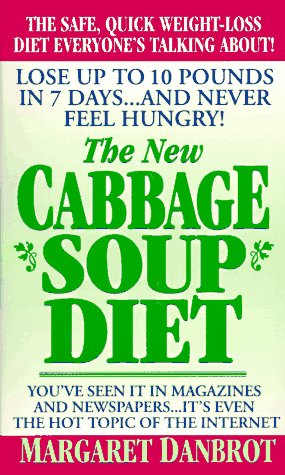 The
Cabbage Soup Diet. As the name suggests, this diet allows
you to eat unlimited amounts of cabbage soup. You are also allowed
the occasional bit of fruit and vegetables. Cabbage contains little
nutritional value and dieters mainly lost water rather than fat. One
of the most extreme fad diets ever although it declined rapidly in
popularity due to allegations of people smelling like rotten cabbages.
What the experts
say
"This diet works on deprivation
and is not sustainable."
Doctor Jennie Brand-Miller
Professor of human nutrition at the University of Sydney
What you say
“I once tried
it out of desperation but gave up after a couple of days. You have
to make up sachets of dried cabbage into soup. Thinking back it was
pretty disgusting.”
Alexia Panos
HR assistant, Kent
 You
are what you eat – Dr Gillian McKeith. A
number one bestselling book was produced as a spin off for the popular
Channel 4 series which tried to improve the eating habits of overweight
people. Gillian has been accused of pseudo-science. For example: apparently
green plants contain more chlorophyll and oxygenate the blood when
eaten. Ben Goldacre from the Guardian’s Bad Science, says this
is scientifically impossible. Dr Gillian was unable for comment.
What the experts
say
“The Dr Gillian movement
is good to an extent but it worries me when ordinary foods are attributed
with unnecessary pseudo-science and mythical qualities.”
Dr Andrew Hill, senior lecturer
in the academic unit of psychiatry and behavioural sciences
Leeds University School of Medicine
What you say
“My girlfriend
read the book and made me eat Dr Gillian’s favourite super grain,
quinoa, for a week instead of bread or pasta. It tasted a bit like
bird food but I did lose a few pounds.”
Paul Goldsmith
Store replenishment team leader, London
---------------------------------------------------------------------------------------------------------------------------------------