




Environment
Predicting the ways in which Bournemouth will be affected by climate change is a difficult and often controversial task.
If climate change predictions are correct it will get warmer across the UK. The temperature increases will be most profound in the winter months illustrated in figure 1.
| Season | Min Change | 25 Years | 50 Years | 75 Years | Max Change |
| DJF | 2.6 | 3.6 | 4.3 | 5.5 | 8.2 |
| MAM | 2.1 | 2.4 | 3.1 | 4.3 | 5.3 |
| JJA | 1.4 | 1.9 | 2.7 | 3.3 | 5 |
| SON | 1.9 | 2.6 | 2.9 | 4.2 | 5.4 |
| Annual | 2.3 | 2.7 | 3.2 | 4.5 | 5.3 |
Source: The IPPC annual assessment report 2007
This translates to:
- Higher maximums of temperature and more warmer days
- More frequent, intense and longer heat waves
- Higher night time temperatures
- Fewer frosts
- Shorter winters
Precipitation levels and extreme precipitation events (like storms) will also increase. This translates to:
- More days which are wet
- Increase in intensity of rain
- Wetter winters, snow less likely because of increased temperatures.
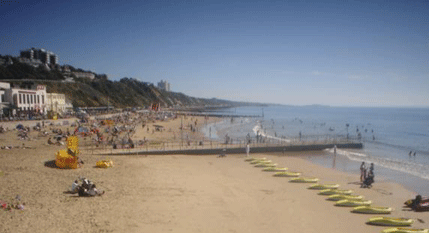
Bournemouth's coastal geography makes it particularly vulnerable to the potential effects of climate change. It is likely that there will be an increase in flooding and tidal surges.
Chris Doyle from the Environment Agency explains more about the risks;
Click here to visit the Environment Agencies flood map
More environment news
To find out more about climate change and wildlife in Bournemouth click here
The global perspective click here