


Climate change threatens wildlife
Changes in weather conditions could affect the behaviour, habitat and range of animals in Bournemouth and the surrounding area.
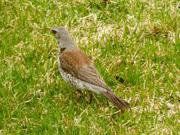
The song thrush may struggle as hotter summers will lead to fewer slugs and snails around for them to eat. This would mean fewer of these presently common birds surviving into adulthood.
Bournemouth is a hotspot for Britain’s largest beetle. Stag beetles can live in parks, gardens and woodland but need dead wood to lay their eggs. Warmer weather will lead to fewer breeding sites.
Joy Wallis, from the Dorset Wildlife Trust, says there is a need to help wildlife adapt to climate change.
She said: “Wildlife friendly gardening is one way to help. If we make sure there is food, water and shelter at all times of the year then if the seasons do get a bit out of kilter the wildlife have got somewhere to retreat to”. She added: “Were also working with landowners and farmers to create wildlife corridors between different types of habitats.”
Habitats which depend on coasts and wetlands, like the reserve on Brownsea Island, are particularly at risk from sea level rises. Increased storminess is likely to damage trees and woodland.
Changes is climate particularly increases in sea temperature may lead to an increase in the numbers of new species arriving in local habitats.
This could throw delicate ecosystems and food chains out of balance.
The numbers of cod caught by fishermen is in decline. This is thought to be due to both overfishing and changes in sea temperature.
Dr Roger Herbert, senior lecturer in marine and coastal biology at Bournemouth University, said: "For many years Bournemouth has been at the boundary of east and west. If you go west then you find more temperate species, if you go east you find a more continental influence with species able to survive harsh winters and cooler sea temperatures. In the last 10 to 15 years we have noticed shifts in the species that we have found. Those commonly associated with the west are moving east."
He is confident that these changes can be attributed to climate change due to the temperature sensitivity of plants, fish and animals they monitor.
These images show some of the species in danger
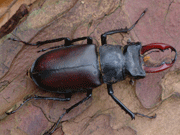
Stag beetle (reproduced with kind permission of Kevin Cook)
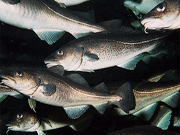
Cod