Profits versus patients: An interview with Nigel Mercer, President of BAAPS
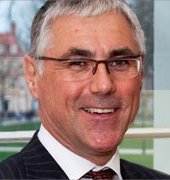
Nigel Mercer is the president of the British Association of Aesthetic Plastic Surgeons, and himself a practising cosmetic surgeon in Bristol. In this exclusive interview, he says it is time to call a halt to letting people go abroad for cosmetic surgery.
Nigel, why do you think people go abroad for surgery?
"Mostly because it's cheaper! It can be up to 60% cheaper outside of the UK, depending on where you go and when. It's more expensive during the summer because, outrageously, it's hotter. But in actual fact, the consumer group “Which” performed a survey which showed almost one in five (18%) medical tourists ran into problems after travelling abroad for treatment and one in 12 (8%) had to turn to the NHS for help in an emergency after having treatment abroad, plus more than a quarter did not feel they had received the follow-up care they needed. Only 57% said they were very satisfied with their treatment! Therefore patients must also be aware that rectifying any complications or unacceptable result may cost them more than the original procedure and holiday put together. Also perhaps the published and broadcast ‘marketing’ from these companies in sunny countries have wittingly or unwittingly given the public the impression that cosmetic surgery holidays are quick fixes and carry no risk of down time or complications. They are not. It is paramount that every person, organisation and regulator involved in the cosmetic surgery industry strenuously protects the patient."
Are you referring to all companies offering surgery abroad?
"Well procedures should not be sold directly to patients- and it is well-known that this happens with companies abroad. They churn out these patients. If a patient puts down on an internet form that they want a facelift, you can be pretty sure that is what you will be sold, even if it is not appropriate. Surgeons must play their part and be ethical and ensure that their complication rates are as low as possible- and if the patient has to fly home, how will they be cared for?"
What are the risks of choosing to go abroad?
"One of the biggest risks is of Deep Vein Thrombosis (DVT), which at best will need long term warfarin treatment or, at worst, cause sudden death. I know of a patient in Bristol who died of a DVT following a face lift abroad. The risk can be reduced by taking an aspirin before flying but the same anti-clotting effect of aspirin also increases the risk of bleeding during and after any cosmetic surgical procedure. Patients who undergo cosmetic surgery in the U.K. are usually asked to stop aspirin before the operation. The effect of one aspirin lasts for a week. A bleed after surgery is likely to mean a return to theatre, and can lead to other complications, such as death of the skin (including the nipple in breast reduction), infection, a poor outcome and, occasionally, a blood transfusion might be required. Would any one want a blood transfusion in a country with a published HIV rate of 25%, such as Southern Africa? The care of such complications will extend well beyond the end of the ‘holiday’. It takes bruising 3 weeks to settle and a scar a minimum of 4 months to settle. In general, the problems start with patients who go abroad and seem to believe that their surgeon is as qualified as a U.K. trained surgeon and that the facility, in which they will have their procedure, is as well regulated as is one in the U.K. (by the Care Quality Commission). It may be a shock to know that in some European countries there are NO regulations about the facilities a clinic must have to perform cosmetic surgery. None! They don't even need to have oxygen or resuscitation equipment. Most surgical tourism internet sites often do not even mention risks or the post-operative recovery after aesthetic surgical procedures."
Have you encountered unhappy patients yourself?
"I have seen a patient who, 2 weeks before, had 6 litres of fat removed from her legs by liposuction abroad following which she collapsed and who then came to me asking why she could not walk due to the pain she was suffering. The clinic and surgeon had told her she would be fine immediately, which is simply untrue. There are many, potentially life threatening, medical risks associated with flying long distance and also with surgery. Among those whom I have performed corrective surgery on is Kim Darwin, who is a participant in the new Channel 4 documentary on botched cosmetic surgery, ‘The Ugly Face of Beauty’. Three years ago she booked a facelift abroad but suffered complications after the surgeon severed a motor nerve in her face leaving it paralysed. This is an invasive but straightforward operation and should not have happened with a competent surgeon. She will never regain the feeling in her face, though it’s no longer lopsided from the paralysis."
The ISAPS Cosmetic Surgery Travel Agency
ISAPS President Dr Foad Nahai is at the head of a new travel agency set up to convey patients to clinics abroad.
The BAAPS response
BAAPS President Nigel Mercer says:
"I have been campaigning through BAAPS for years, working with other BAAPS surgeons to communicate the dangers and stop people going to these butchers without doing their research.
However, despite all of the above and against the advice of the majority of European Plastic, Reconstructive and Aesthetic Surgical Associations, the International Society of Aesthetic Plastic Surgeons, which is based in America, is starting its own travel agency to try to give patients a ‘safer’ alternative to the companies out there. Surgery combined with international travel never can, or will, be as safe as surgery close to home. Ask any woman “Would you go abroad on holiday and walk off the street in a foreign town to have a haircut by a hairdresser that you have never met?” Every one I have ever asked has said ”No!” In the light of all of this, why do women have potentially life threatening surgery abroad? It defies belief, let alone logic."
Facts and Figures
The latest survey taken by BAAPS revealed surprising trends regarding ‘holiday’ surgery. Another study, exploring public perception on this subject, polled 179 randomly selected members at a city centre.
Highlights of BAAPS members poll:
- More than a quarter of surgeons said they have noted an increase in the amount of patients over the last 18 months that have experienced complications stemming from cosmetic surgery ‘holidays’
- One in 10 surgeons have seen between 7-9 patients over the same period with problems resulting from holiday surgery
- One BAAPS member stated seeing over 16 problem cases resulting from cosmetic surgery tourism
Highlights of public opinion survey:
- Nearly half of those polled (46%) have considered undergoing cosmetic surgery and of these, almost all (97%) would consider having treatment abroad
- 4 out of 5 (78%) stated that if complications were encountered they would use NHS services
- Ten subjects had already undergone a procedure outside the UK. A great majority (70%) were dissatisfied with their post-op care
- 67% would not consider cosmetic surgery outside the UK if money were no object
Douglas McGeorge, former BAAPS President and Consultant Plastic Surgeon, said:
“My experience with patients has shown that counselling is inadequate- the individuals have no idea of the standards of care in the country they are visiting and no knowledge of the abilities or experience of the surgeon. Follow-up is difficult. Complications do occur and are usually left to the British system to treat.”
According to Nigel Mercer, consultant plastic surgeon and President of BAAPS:
“These groundbreaking stats allow us to explore the latest trends and advances in aesthetic plastic surgery so we can promote the highest standards internationally. There are calls for the NHS not to pick up the tab when problems result from cosmetic surgery ‘holidays’ so it’s essential that the public be educated about the options and risks.”
In a new study unveiled at the Scientific Meeting, the search term ‘plastic surgery abroad’ was used in a popular search engine and the first hundred sites were reviewed.
Highlights of websites study:
- More than half (55%) just offered online or telephone consultations prior to surgery
- UK consultations were offered by less than half (45%) of companies
- Nearly two out of five (39%) of the websites didn’t even include details about the actual procedures, with 90% making no mention whatsoever of risks or possible complications
Nigel Mercer continues:
“It is a serious concern that despite the economic downturn - or perhaps, even because of it - the public is swayed by the promise of cheap surgery without being given the appropriate information to make an informed decision. I find it appalling that most of these companies do not even mention risks, nor do they appear to have in place any mechanism if complications do arise.”