9 June 2010
Defective breast implants recalled in March could have been taken off the market earlier if the UK regulator had not closed down a vital registry. Authorities are now unable to trace and warn women implanted with the products, used by the UK’s largest chain of cosmetic clinics.
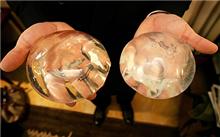
The Medicines and Healthcare Products Regulatory Agency (MHRA) faces criticism for failing to act sooner against French manufacturer Poly Implant Prothese (PIP), whose cohesive silicone gel implants were recalled after French authorities found they contained a substance not approved for use.
Until the recall, clinic chain Harley Medical Group was reassuring women the implants were “more than satisfactory”, that if they ruptured the gel would stay within the implant shell- in fact it often migrates around the body- and that rupture rates were less than 2 percent.
Harley now says that figure was from “most leading implant manufacturers” and not specific to PIP.
Between 1993 and 2007, women could turn to a reliable source of data: the National Breast Implant Registry, but the introduction of data protection laws meant that women had to consent to their implants being registered, resulting in a rapid decline in registrations.
In 2008, 29 British women won £1.5m in a case over defective implants. PIP said it was unable to pay, but continued to supply implants to the UK.
The MHRA said it asked the manufacturer to explain reports of early failure rates.
“Information provided by PIP was assessed by MHRA, but there was no indication of manufacturing faults with the implant itself.”
16 June 2010

A growing trend of young mums having cosmetic surgery soon after giving birth has prompted concern among health experts.
Mums Stephanie, 22, and Mandy, 21, swapped their A cups for a size C. Stephanie was the first to go under the knife right after she finished breast-feeding daughter Brooke at four months’ old:
“As soon as I pushed my baby out, I thought: ‘Right, that’s the next thing I have to do.’”
Mandy waited just six weeks, even though doctors recommend new mums wait at least six months so their bodies can return to normal.
She says: “I didn’t care it was sooner than advised. I just wanted them done.”
Whether it’s a boob job to get the bigger breasts they’ve been used to during pregnancy, or tummy tucks to banish saggy skin, more and more new mums are going under the knife.
Mothers already make up 60% of breast augmentation patients, the third most common type of plastic surgery for women after birth, research says.
Now almost one in three of those mums are under 30, according to statistics from Britain’s largest plastic surgery chain, The Harley Medical Group.
Mr Riccardo Frati, consultant plastic surgeon for the clinic says: “I have seen mothers of 20 with three children come in for boob augmentations. Some come in almost straight from the labour ward.”
30 June 2010
People planning on having Botox and other facial treatments will be able to check the credibility of their clinic under a Government-backed scheme available from 1 August.

Individual practitioners and entire organisations are being invited to apply for a "seal of approval" on safety and quality.
The scheme applies to injectable cosmetic treatments, including dermal fillers, and follows criticism of the failure to tackle "rogue" medics.
Registered nurses, doctors and dentists will be judged against industry standards on managing medicines, infection control and appropriate environments.
The Independent Healthcare Advisory Services (IHAS) will run the new scheme, which has received a one-off Department of Health grant of £200,000.
Dr Andrew Vallance-Owen, chair of the IHAS shared regulation group, said:
"With growth of an estimated 25% of treatments carried out last year alone, the industry and the Department of Health recognised the need to safeguard patients by creating a system of registration and certification to reduce the risk of poor practice within the sector."
Health minister Mike O'Brien said:
"Quality-marking the organisations that provide injectable cosmetic treatments, such as Botox and wrinkle fillers, will help protect the public from unscrupulous operators.
"It will clearly mark those who uphold the highest standards the industry can provide.
"This is why I have given my support and Government funding to help set up the scheme.”
A website for the scheme will list organisations and practitioners that have been accepted for registration and certification.
The Harley Medical Group, Transform and Sk:n are amongst those who have registered their clinics, the IHAS said.
9 June 2010
A retired teacher from the Isle of Man is recovering at home after having a breast lift while fully conscious.
Nanette Sanford travelled to Belgium to undergo the cosmetic procedure while under sedation.
The procedure is carried out while the patient is conscious so that surgeons can be guided by their reactions.
The 63-year-old was able to chat to medical staff during the operation.
She described the operation as "extremely exciting".
The surgery was carried out by a team led by consultant breast surgeon Jacqueline Manor, who explained that cosmetic surgery tourism is growing, whether we like it or not.
She said breast surgery on a conscious patient meant that the medical team were able to get instant feedback.
Mrs Sanford was enthusiastic about the procedure.
"I didn't hesitate for a minute," she said.
"It was wonderful to have a role to play in my own surgery."
She said that the experience overall had been positive.
"There's no point in not changing what you don’t like about yourself," she said.
“No matter what country you go to their are different methods and different surgeons.”