The law
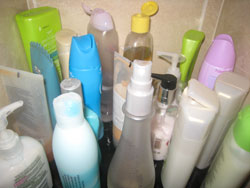
Cosmetics laws have evolved in the last few years with manufacturers in the UK now required to comply with the Cosmetic Products (Safety) Regulations 2008.
These regulations implement the EC Cosmetic Directive and require that finished cosmetic products must undergo a safety assessment before they are placed on the market. The Department for Business, Innovation and Skills has produced a handy guide to the regulations.
The safety of beauty products is aided by REACH: a European Union regulation that came into force on June 1 2007. It requires industry to provide information about its products to the regulatory system. This information is monitored and assessed which allows regulators across the EU to take necessary action on chemicals
Responsibility for cosmetic safety also lies with local trading standards authorities. Manufacturers are required to supply a technical file to their local TSA with each of their products detailing the safety tests conducted. These files must also record experiments proving any claims that the manufacturer has made, for example, that the product reduces wrinkles.
Manufacturers must list all the ingredients of their beauty products on the label. They are required to provide the Latin or chemical name of each substance used so that it can be recognised across Europe.
There are no specific 'rules' regarding the promotion of a product as organic or natural. In theory it comes under the consumer protection from unfair trading regulations but with cosmetics it is a very vague field.