The chemicals
Find out what some of the most commonly criticised chemicals are and why they are used:
Parabens
Parabens are a family of compounds and are widely used preservatives that prevent the growth of micro-organisms in cosmetics. The maximum concentration permitted for use in beauty products stands at 0.4% of any single paraben and o.8% total parabens in combination in one product.
Some research shows many parabens are oestrogenic which some scientists say can raise risk of breast cancer and could adversely affect male reproductive functions.
Phthalates
Phthalates are used in make up and toiletries to make them super-smooth and are sometimes used as fragrance carriers.
In January 2003 chemicals classified as carcinogenic, mutagenic or toxic for reproduction were banned from use in cosmetics. This included two of the phthalates, DEHP and DBP.
Some researchers have suggested that phthalates still used in beauty products disrupt hormones and cause reproductive disorders and premature puberty.
Sodium Lauryl Sulphate
Sodium Lauryl Sulphate is a common detergent found in products such as shampoos and toothpaste. Some experts have speculated that it is highly allergenic, can damage the skin and can cause damage in major organs such as the brain and liver.
Triclosan
Triclosan is an antibacterial used in products such as toothpaste and deodorants where the product itself is designed to kill bacteria.
Some scientists say that tricolsan can combine with chlorine in tap water to form a possible carcinogen or can produce small amounts of compounds that can convert into dioxins which are toxic and potent endocrine disruptors.
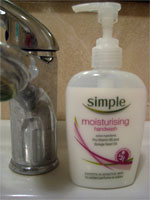
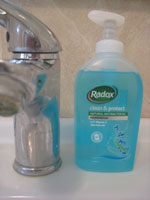
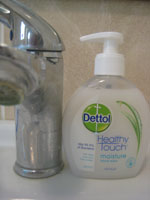
What do you keep by your sink?
How many of us know what is in the products we buy? Click on these handwashes to compare their ingredients:
Nanotechnology
Nanotechnology has been used by the beauty industry for the last 10 years to reduce substances into 'nanoparticles' defined as up to 100 nanometers. This technology is used in products such as moisturisers and suncreams to make them 'invisible' and allow them to penetrate the skin. Some scientists have concerns about how substances act at these reduced sizes and what they can do if they enter the blood stream.
New EU regulations will require some nano materials to be listed on product packaging.