What needs to be done to reduce teen pregnancy?
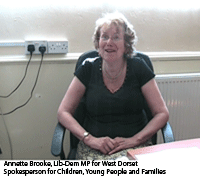 Annette Brooke, Lib-Dem MP for West Dorset and Spokesperson for Children, Young People and Families, thinks more ressources shoulp be put towards tackling the issue.
 Steve Bick, GP at Dorchester Road surgery in Weymouth and PPC for West Dorset, thinks binge drinking and contraception should be adressed by more services.
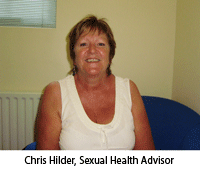 Chris Hilder, Sexual health Advisor in Poole and Bournemouth, talks about the different initiatives to help reduce teenage pregnancies.
Building aspirations
Most teenage parents portrayed in the media are those who felt pregnant by accident. But what about the teenagers who have a baby by choice? What pushes them to make that decision? Most experts on the issue agree that a lack of aspiration is the key reason.
In fact, the teenage pregnancy “hotspots” in Dorset are areas of deprivation, in which teens have lower aspirations. "They think having a baby is another way out."
Jackee Traylen, Health Care Assistant in Christchurch, the town with the second highest teen pregnancy rate in Dorset, thinks some teens prefer having babies rather than going to university. “There’s so much emphasis on university, saying 50% of all young people should go, some of the young girls get frightened by that and think instead of failing university, they think having a baby is another way out. It’s a way out rather than failing academically”, she says.
Claire Shiels, Acting Manager for Sexual Health and Teenage Conception in Dorset, agrees that young girls with low self esteem are more likely to get pregnant.
“We need to build aspiration, because we find that a lot of people who become teenage parents it’s because everyone does it in the area, there’s no aspiration to move on to higher education and that seems like the right thing to do and it seems like a valid option”, she says. Within the Teenage Pregnancy Strategy, programs are being developed to build teenagers’ self-confidence.
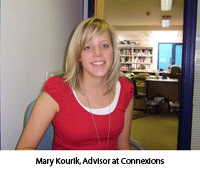
One of those involves the Connexions centre in Poole, where Mary Kourik works.
“If young people still want to go to college or work we can advise them on that and support them in getting back into education or employment. We will help them get money for childcare if they do choose to do that” she says.
 But what of those teens who never liked school? Well they can choose to study a parenting course which, if they want to, will give them the option to continue into higher education.
Naomi, 20, from Poole, started working on Young Mums To Be when she was pregnant with her first baby, Megan, now 9 months old. She says it has been a good alternative to school: “It’s all about parenting, labour, pregnancy and all that sort of thing. You can do it on your own experience rather than from a textbook which I think is better.”
The course will be recognised as Edexcel Qualifications and Credit Framework Awards and Certificate from this August.
And with a period of two years within which to finish the course, pregnant students can take a break to have their babies.
Christine Underwood works at NACRO, Poole, one of the only centres offering the course: “If they have their baby they can come back and finish it because they can get Care to Learn, which is 180 pound a week government fund to help them get childcare”.
With programs such as this one, local authorities are hoping to not only give teenagers other choices than young parenthood, but also help those who have had babies get back into education.
Latest news
30/06/09
Teenage pregnancy rates in Dorset to be reduced by 45% instead of 50% by 2010.
23/06/09
A new campaign to raise awareness of contraception is to hit the beaches this summer.
15/06/09
Teenage pregnancy rates on the rise mean new efforts have to be made.
09/06/09
Dorset young parents or pregnant teenagers prepare to sit their own GCSEs.
VIDEO

AUDIO

PICTURES