
CLIMATE CHANGE
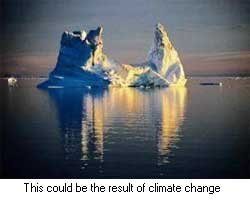
The carbon dioxide gases we are pumping into the atmosphere through the burning of fossil fuels are heating up our planet and causing the climate to change.
The earth’s atmosphere is made up of a mixture of gases which act as a blanket to trap heat in order to sustain life on our planet; this is known as the greenhouse effect. These gases are responsible for environmental conditions such as rainfall and evaporation.
However nowadays the blanket of gases surrounding the earth is thickening because of excess carbon dioxide (CO2) produced by man’s activities. This is trapping more heat inside the Earths atmosphere, causing the temperature around the globe to rise affecting the natural balance of the earth’s climate.
The main contributor to CO2 emissions is the generation of energy through burning fossil fuels such as coal, oil and gas. Estimated concentrations of CO2 are 30% higher than before the industrial revolution as a result of large industry burning fossil fuels.
But each of us as consumers in the western world emits huge amounts of carbon dioxide each day. Cooking in the home, driving the car to work, taking annual holidays abroad, and even leaving your television on standby has an impact on the environment.
According to Sir David Attenborough over half of our emissions come from domestic activities, with the average home producing 20 tonnes of carbon dioxide each year.
Scientists throughout the world are looking at the evidence of climate change, using computer models to predict what the future has in store.
According to the UN Intergovernmental Panel on Climate Change (IPCC) the average global temperature has increased by 0.6 degrees Celsius during the 20th century and this is set to rise.
Emissions past and present mean a global temperature increase of one to one and a half per cent is inevitable and this is likely to have a severe impact on global ecosystems, and especially on the world’s poorest people and countries.
Nathan Argent a climate campaigner for Greenpeace said: “Climate change may not appear to be happening in the UK but you only have to look around the world where you’ve got flooding, hurricanes and droughts, to see its having a massive impact on the world’s population.
“They estimate 150,000 people die each year as a result of climate change.”
The IPCC say that temperature rises above two degrees Celsius would affect agriculture, increase flooding, droughts and disease and cause the extinction of plants and animals: “Some ecosystems will be irreversibly damaged or lost.”
But not everyone would agree that climate change is the direct result of mankind. Environmental scientist Steve Belshaw said: “It’s rather pretentious for mankind to assume they can directly influence climate to a greater degree.”
He said that the ice core data taken from Antarctica show definite fluctuations in climate over many thousands of years and these are known as milankovitch cycles.
He continued: “It is true to say the planet is in an interglacial at the moment and it has been since the last ice age some 40,000 years ago, so that means we still have ice at the poles but logically its decreasing as the earth gets warmer and it will continue to do so.”
But it would seem that there is agreement that the climate is changing and ultimately there are things we can do to stop exacerbating the problem by reducing carbon emissions.
Tom Tibbits the energy spokesperson for the Green Party said: “We need to stop talking about climate change as a major threat and start talking about it as a major opportunity to develop our prestigious technology in the UK.
“We need to see it as an opportunity to develop ways of overcoming this addiction to carbon and make towards a more sustainable and equitable planet for our children and grandchildren.”