


Ask the average man on the street - or a tourist for that matter - what five things most symbolise Great Britain, and the pub is almost certainly going to be in that list.
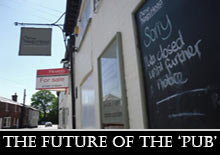
Historically it is part of our identity. But how many outside the trade know the difficulties involved in running a public house in 2010?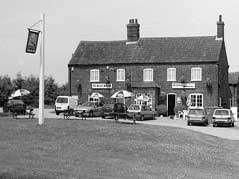 The Brisley Bell at Dereham .
Generally speaking there are two types of pub: a licensed inn or a freehouse. The latter is, as its name suggest, free of any ties to particular brewers, and can consequently often negotiate better rates for its supply of alcohol. As a result though the landlord and licensee has the running of the whole pub to contend with alone, often including large mortgages.
A licensed inn is owned by a company which leases it to a landlord, who then runs it on a day to day basis. Licensed inns do come in other forms - larger companies such as J D Wetherspoon directly run and administer theirown pubs.
These licensed inns can offer better deals to customers because they are owned by large pub companies who negotiate better deals with brewers on alcohol sales because they can order in much much higher volume.
When it comes to the pub however, the pubcos that charge rent to the licensees of the pubs can also charge whatever they want to supply these pubs, often making large margins alone on these sales.
This current system of operation is a direct result of the 1989 Beer Orders brought in under Margaret Thatcher's government. These laws were designed to break up the old cartels of pubs which were owned by the brewers by limiting the number of pubs a brewer could own to 2000.
Historically the brewers owned and operated the pubs not as businesses in their own right, but rather as outlets for the sales of the alcohol they were making. The Tory government in the late 80s wanted to give people more choice so that they did not, for instance, have to buy Adnams beer if they wanted to go to an Adnams pub.
What happened after these laws were introduced was that new companies sprang up that were either directly affiliated with, or had strong connections to one of the brewers. These pub companies were not subject to the same restrictions on pub ownership, and today own the vast majority of pubs.
Business and pleasure
But this alone does not explain why pubcos have such an unfavourable image among landlords and others.
The pubcos themselves were not willing to go on record to talk about pub closures in Norfolk or in anywhere else.
But speaking anonymously, a source said: "Pubs need to be more interested in the bottom line.
"They're more than just somewhere to drink now - they need to be hubs of activity. Business models need to adapt.
"Yes pub companies have a responsibility to the pubs they own, but responsibility only to a point.
"But of course we don't want pubs to close - that's how we make our money."
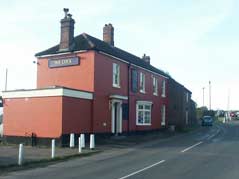 The Cock at Barford was opened in 1820,
but put on the market earlier this year.
Pubwatch chairman Malcolm Eidmans said: "That's the nature of the beast.
"The pubcos' responsibility is to their profit margin, not to the village.
"They have shareholders, and if they don't maximise their margins, they're not doing their jobs. We can't expect them to act like a charity.
"Running a company is not the same as running a business - pubcos have to look at the whole picture."
Sue Colman is licensee at The Stanley in Norwich.
She works under Punch Taverns, and says they've often been supportive of her:
"It's like having a partner there, and their training is great.
"If I was new to the industry, I wouldn't want to own a freehouse as I'd be all on my own."