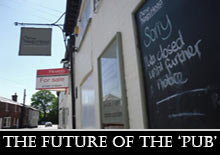





Pubs are a part of Britain. Samuel Pepys wrote almost 400 years ago that the pub “is at the heart of England.” Yet in a modern, 21st century
United Kingdom, are pubs really the same?
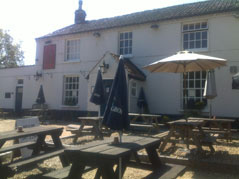 The New Inn at Rockland St Mary.
Sightings of closed public houses are no longer the exception they once were. Their closure is a talking point all over Britain – from the country pubs in small villages right through to the Strangers Bar in the House of Commons.
But few really understand why they are closing. Plenty will
incite
smoking laws and cheap supermarket booze
– yet
pubs are not simple creatures, and nor are the pressures they are subject to.
An Englishman's Dream
There are great misconceptions surrounding public houses. Many entertain the idea that, after years of hard work, semi-retirement to a country pub where they can while away the evening with the locals and a glass in hand sounds like a life worth living.
The reality is often different.
According to a survey on the website of the pub trade magazine The Publican, almost 60% of landlords are in dispute over their rent. Taxes of all sorts and a difficult climate, as well as problems with pub companies and customers can frequently lead to sleepless nights, poor revenue and in some cases, the loss of savings and even livelihoods.
But is the closure of pubs across the country a problem that we can solve? Is there more help we can offer struggling pubs in rural communities where there are no other amenities? Or is this proliferation in closures something that we have to accept as part of globalisation? Indeed is the closure of pubs even a bad thing?
The video below showcases the circumstances that Norfolk pubs find themselves in, and picks up the cases of The White Horse at Upton, The Fox Inn at Garboldisham and The Queen's Head at Thurlton. The Fox Inn does not have a live website as the Fox Committee continues to try and save the pub from becoming housing.