Muslim Integration in the UK
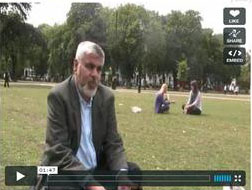
Muslims in the UK: Integration or Co-existance
08/06/2009
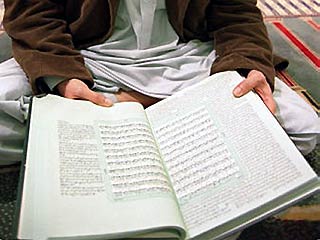
15/06/09
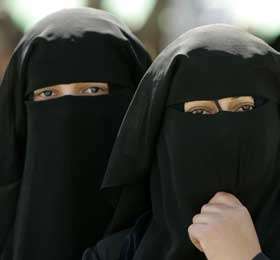
22/06/09
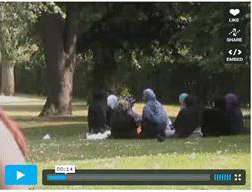
Video: Misunderstanding of Islam
30/06/09
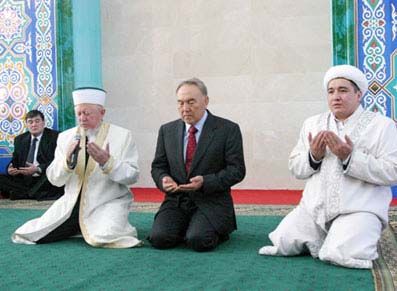
Muslims and politics: more engagement is essential
28/06/09
30/06/09
Arab women getting influence in business
Tuesday, 30 June 2009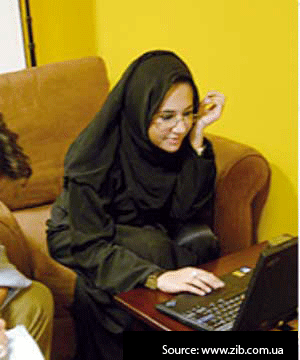
The UK and the Arab world will achieve better co-operation in trade with a special focus on women.
Tomorrow the Arab British Chamber of Commerce and the Arab International Women’s Forum will sign a joint agreement of a formal partnership for promoting trade and fostering intercultural exchange between Arab women and their British and international counterparts.
Haifa Al Kaylani, Chairman, Arab International Women's Forum said: “The Memorandum of Understanding will add support for women in business and foster women’s entrepreneurship through trade at a time when that can be a valuable contribution to economic recovery.”
Mrs Kaylani emphasised that Arab women can prove to be real engines of growth and development, truly powering peace and progress, and they are the key to the future of the Middle East and beneficial for the UK.
Afnan Al-Shuaiby, Secretary-General and Chief Executive of the Arab-British Chamber of Commerce said in her statement that the Memorandum of Understanding will be a starting point for a number of joint projects intended to recognise the potential of Arab women, to promote cross-cultural diversity and to create greater public awareness of Arab women’s success.
Discussion on Sharia law in Britain
Tuesday, 23 June 2009
Opposers of Sharia Law recently held an open meeting to discuss religious tribunals in Britain.
The Council of Ex-Muslims of Britain and the One Law for All Campaign against Sharia Law stated their position on Muslim religious law, claiming it is discriminatory and unjust, particularly regarding women and children.
Maryam Namazie, spokesperson for the Council of Ex-Muslims of Britain, arguing against Sharia Law in Britain, said that “Sharia Law is the reflection of a particular strand of the political Islamic movement…Islamists in Britain claim that Sharia law would meet the needs of the Muslim population. But why would people want something which gives them fewer rights?”
She added that Sharia courts in Britain are a quick and cheap route to injustice and do nothing to promote minority rights and social cohesion. Their voluntary nature is a sham as many women will be pressured into going to these courts and abiding by their decisions.
Essex Humanist group hosted the event, activist Marie Oatham, said, “Unfortunately, the meeting was mainly about how we should protect people against Sharia law. A lot of essential facts were missing, for example, how Sharia courts operate in the UK or how Muslim women feel about Sharia law. What I hoped to learn was what exactly Sharia law is. Humanists like to know the facts before we make up our minds, we don’t like to be led to a decision. I came away from the meeting feeling that I need to do more research for myself.”
Marriage event for Muslims
Tuesday, 16 June 2009
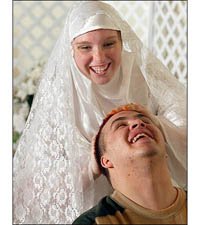
Briish Muslim students will have an opportunity to meet their potential husbands and wives at a forthcoming marriage event on June 26 organised by the Islamic Circles group.
Islamic Circles group’s event coordinator, Mizan Rajar said that the main reason for organising this event was that many young Muslims fail to find compatible spouses due to a lack of opportunities for meeting other Muslims at university.
Mr Rajar said, “our Muslim marriage events helped to bring about 670 marriages, every event we organise leads to between five and 10 Muslim marriages. We don’t promise marriage for our Muslim brothers and sisters, but we can help them to learn about relationships within the Islamic faith in the 21 century.”
The Imam at Bournemouth Mosque and Muslim Centre, Yassin Majid said: “One of the main traits you should look for in a potential spouse is a similarity in religious outlook. For the sake of compatibility, and the upbringing of children, it is most recommended for a Muslim to marry another Muslim.”
Nisbat Shaarif who lives in London said that the marriage events really worked for her. Mrs. Shaarif met a nice, well educated Muslim man who she later married. She believes that woman using these services have greater choice and opportunity to meet a decent man than through an arranged marriage. Moreover, the woman takes an active part in the process.
Kubra Yelkenci, Muslim living in Bournemouth says, “if a woman living in the UK is religious and interested in meeting a man with a similar cultural background and religious values, this is a great opportunity to find a partner for life.”
Muslim gays: hope for support
Tuesday, 9 June 2009
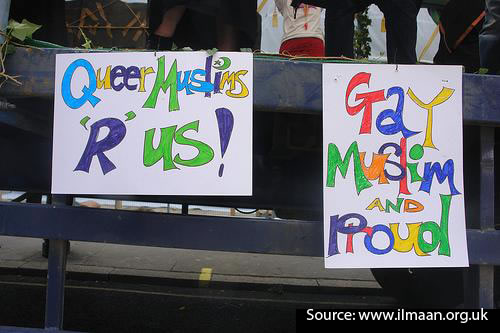 Around 125,000 gay Muslims in the UK live with feelings of shame and guilt, says the Muslim gay support group Imaan.
Islam teaches that homosexuality is evil, and as a result most gay men and lesbians will remain in the closet or choose not to follow their natural instincts.
Vice Chief of Mosques and Imams advisory board, Said Ferjani, said, that “Quran do not allow to be homosexual and considers homosexuality as unnatural.”
The gay support groups Al-Fatiha and Imaan say that with around 1.25 million Muslims in the UK, it is estimated that the challenge of being homosexual in this community affects around 125,000 individuals.
This significant minority is likely to be living with feelings of shame, guilt and fear; aware of how their community will judge them and even ostracise them.
The Imaan organiser said: "We envision a world that is free from prejudice, injustice and discrimination, where all people are fully embraced and accepted into their faith, their families and their communities."