


BIOFUEL PRODUCTION ABROAD
'It will be a total disaster'
Biofuel production is not only a domestic issue – in order to meet its 2.5% target, Britain is increasingly relying on imports from developing countries such as Kenya and Indonesia. But as both local and foreign companies rush in to turn vast areas of land into biofuel plantations, indigenous people, the wildlife, and the economy are coming under threat. Verena Vogt reports.
Made up of flood plains, coastal lakes and mangrove swamps, the Tana river delta stretches across an area of 130,000 hectares on Kenya’s eastern shores. It is home to hippos, crocodiles, lions, elephants, turtles, more than 345 bird species, and the Tana red colobus monkey, one of 25 primates which are facing global extinction. 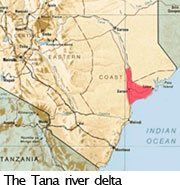
To farmers, fishers and pastoralists who come from as far way as Somalia and Ethiopia to let their cattle graze on the delta’s lush wetlands, it is invaluable. But this natural haven is now facing destruction after a major biofuel project has been given the go-ahead.
On June 23, the Kenyan government approved plans by local sugar company Mumias Sugar to convert 20,000 hectares of the Tana river delta into a giant sugar cane plantation, to be used for biofuel and food production.
The £190 million project includes plans for an ethanol refinery and food-processing plant and will create thousands of jobs, the company claims.
Environmental groups around the globe are up in arms against the decision. In Britain, the Royal Society for the Protection of Birds has protested directly to the Kenyan government.