Voluntary code and the size zeros
Earlier this year the media was abuzz with news of a 'ban' on retouching in magazines, but little has been said since.
Word of a voluntary code that governs the use of retouched images came off the back of 2007's Model Enquiry into size zero figures, which highlighted problems with 'digitally manipulating body shapes'.
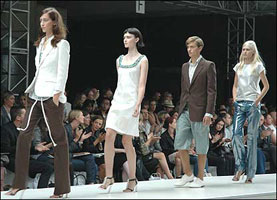
The Model Health Inquiry was established by the British Fashion Council (BFC) in March 2007, in 'response to concerns about the health of models on the catwalks.' In September a report with recommendations for the BFC was published and the subject of retouching was covered.
The report, known as the Kingsmill Report, cited that 'throughout our inquiry we heard complaints about the pervasive use of digital manipulation of photographs.' It continues 'we are aware that digitally manipulating body shapes can perpetuate an unachievable aesthetic.'
One of the recommendations that came from this report was for a voluntary code to be 'developed between media publishers, photographers, advertisers and designers' to identify when retouching has occurred. Key is that there was no mention of a ban, something that seems to have been exaggerated in a media spin.
The report resulted in the Periodical Publishers Association (PPA) announcing that they would be holding talks with editors including Alexandra Shulman of Vogue, Lorraine Candy of Elle, Jane Bruton of Grazia and Kay Goddard of Hello! to discuss the issue of retouching.
All has been quiet since April and as yet it's unknown whether there will be any development. Susan Greenwood, chief executive of eating disorder charity Beat, remembers that we've seen a similar situation before: 'There was a summit at Downing Street back in 2000 on digital manipulation and body image issues with fashion magazine editors and what's changed since then? Nothing.'
 A Canadian magazine has made the choice to resist digital perfection. Chatelaine issued a statement on their decision: "Our policy is to make good pictures but not to get rid of anything that you were born with," says Sigrun Wister, deputy art director of the women's lifestyle magazine. But she admits spots still go, as they're 'temporary.'