
Climate change
"The climate as we understand it today has been influenced by various changes over the past few million years and what research has been demonstrating quite clearly is that climate change has accelerated to a point where it is termed ‘dangerous climate change'," said Dr Neville Hollingworth, Climate Change Programme Leader at Winfrith's Centre for Ecology and Hydrology.
"It will have effects that cannot be resolved and will cause major species’ extinctions, will change parts of the world to become uninhabitable, will cause major changes in population structure, and I’m not just talking about plants and animals, it will also be on populations across the globe.
------------------------------------------------------------------------------------------------
"...Beaches may become vulnerable to more coastal erosion."
.................................- Dr Neville Hollingworth, CEH
.................................---------------------------------------------------------------------------------------------------------
And the south is at threat. The Winfrith scientist states that predictions of sea level rise due to melting ice caps range from between twenty centimetres to tens of metres. A twenty centimetre rise, he says, would result in the Thames Barrage being used virtually every day.
-----------------------------------------------------
"How would we evacuate London and where would people live as a consequence?"
- Dr Neville Hollingworth, CEH
-------------------------------------------------
"If the Antarctic Ice Sheet melts then that will have a devastating effect. Sea level rise will be tens of metres, and that will flood enormous areas of lowland Britain and create a totally different landscape. Coastal towns, for example Poole, in Dorset, would disappear, because it's not far above sea level."
Such drastic changes in sea levels will not occur over night, however. "You're talking about maybe one hundred and fifty to two hundred years from now. In terms of the Ice Shelf melting, then you're talking maybe a thousand years," Dr Hollingworth explains.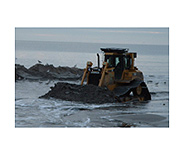
So surely can we sit back and relax? "It doesn't mean that we have to start putting up coastal sea defences everywhere, just that we have to start thinking about how we manage our coast. Everyone thinks that if you try and prevent a coastal site from being eroded it will stop that erosion but what it means actually is that it goes on somewhere else because it's unprotected."
Dr David Howard, based at the CEH Lancaster site, further expresses the dangers coastal ecologies face due to climate change. "You've got dangers of ocean acidification. Carbon dioxide in the atmosphere becomes more concentrated, it dissolves in the sea, it produces a weak acid - but it's still an acid. The sea becomes more acidic and you end up with what could be a major catastrophe."
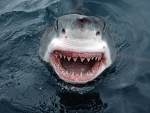 Dr Hollingworth claims effects may well be more noticeable in the south than elsewhere. "The south has probably the richest abundance of different plant and animal species. It's probably where invasive species will start to appear...We've already seen an increase in the number of exotic sea species over the last decade or so. We've seen trigger fish appearing in large numbers, we've had sightings of barracuda off the south west coast."
-------------------------------------------------------
"We might have to give up thinking about conserving a rare plant or insect species."
- Dr Neville Hollingworth, CEH
--------------------------------------------------------- 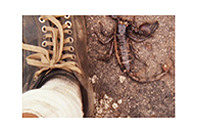
Insect species will undergo major changes, claims Hollingworth. "Termites may start to breed and spread. They are a real threat to wooden buildings."
 Dr Hollingworth explains that agriculture will also go through many changes. "We'll see a change in things in things that we grow, especially crops. The green fields of barley and wheat will be replaced probably by olive groves."
----------------------------------------------------------------------
"My advice would be to think about investing in British vineyards!"
- Dr Neville Hollingworth
-----------------------------------------------------------------
It appears we may cope with some threats climate change throws at us better than others. But can we take the chance? Read on to discover the other possibilities...
Disclaimer: This website is part of a project to explore the issues associated with climate change and sustainability. It aggregates information from a variety of sources. The respective rights to any image is hereby acknowledged.