
Sri Lanka’s population is composed of Sinhalese (74%), Tamils (18.1%), and Muslims (7.1%). The Sinhalese are mainly Buddhist, the Tamils are Hindu, and segments of both groups make up the small population of Christians. Over the past few months, a shortlived ceasefire since 2002, and failed peace talks in Geneva have given way to renewed hostilities, and the country looks set to return the scale of warfare that has plagued the country for over two decades. The conflict in Sri Lanka has been raging in varying degrees of intensity since 1983, and it has become one of the more intractable wars in the post-colonial era. Termed the “No Mercy War” by the International Committee of the Red Cross (ICRC), it has caused at least 65,000 deaths, displaced up to one million people, resulted in severe human rights abuses, and slowed Sri Lanka’s once-promising development. A Brief History In 1972 popular Tamil minister Alfred Durayappah, mayor of Jaffna, was assassinated. One of the gunmen, Velupillai Prabahran went on to form and lead the Liberation Tigers of Tamil Eelam (LTTE or Tamil Tigers), an organization aimed at achieving a separate Tamil state within Sri Lanka.
|
Many trace the seeds of the conflict back to the British Colonial rule. After being granted independence in 1948, a majoritarian Sinhalese rule was established. This, it is argued, had discriminatory consequences.
According to amnesty International researcher Elizabeth Nissan, the passing of the Offical Langauge act which is often referred to as ‘Sinhala Only’ policy and which provided for ‘reasonable use of Tamil’ was one of several things that severely disadvantaged the Tamils and lead them to propose increasingly radical solutions. During the 70s under new education policy a university entrance system was introduced under which the number admitted in each language group was proportionate to the number who had sat the exam. The effect of this policy was that Tamil speaking students had to get higher marks for university entrance than their Sinhala-speaking counterparts, and many who would have gained entrance under the previous system were denied university education altogether. Eventually a deepening distrust developed among Tamils of Sinhalese politicians and national politics in general. A new militancy developed within Tamil politics which culminated in their first assassination in 1972. BBC Timeline New participants See the interviews with the main participants in the conflict.
|
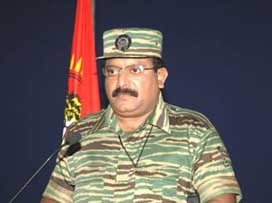
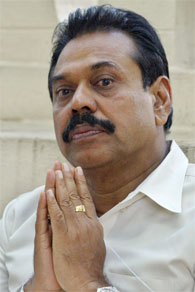
 |
 |
 |
 |
 |
 |
 |
 |
 |