




20/6/08
Green electricity scheme “will be reviewed”
The cost is now two percent higher than conventional electricity and is out of the council’s price range.
Bournemouth council had reduced carbon dioxide emissions in its buildings by 10% by buying emission free electricity. They say this had saved 8,129 tonnes of carbon dioxide per year. But now the price has gone up they are buying conventional “brown” energy.
Newly appointed environmental strategy and sustainability manager Lee Green says the issue of green electricity is complicated: “We need to be careful in this area and take time to work out some of the facts from the myths. We have a long way to go before we can say green energy purchase is actually making a difference. We need to get a greater understanding of this area before we commit to policies like this” he added: “We will be reviewing this policy."
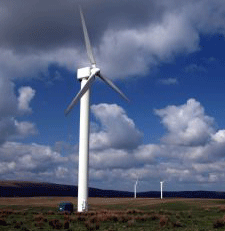
Green electricity comes from renewable sources like wind farms
Adam Spicer from Energy Watch, which works in the interest of gas and electricity consumers, says green tariffs can be confusing: “Green tariffs are marketed in different ways. For example Scottish and Southern have something called a RSPB tariff. It’s called a green tariff but the energy comes from conventional sources and the company gives a donation to the Royal Society for the protection of Birds. So you have to check that the energy is coming from 100% green sources."
He added: “A very small number of people are on these types of tariffs. Given current energy prices people will do anything to get the cheapest deal combined with the best service."
Although there are more than fifty different “green” electricity plans on offer to consumers there is no official regulation of the market. This means that policies can be called green without official checks to make sure the energy really does come from renewable sources like wind, solar or hydro power.
Links
To find out more about renewable energy click here
For more details of the work of Energy Watch click here