Who will fund future academic research and publishing?
Publishers remain divided over how academic research and content will be financed as digital technologies become more widely available.
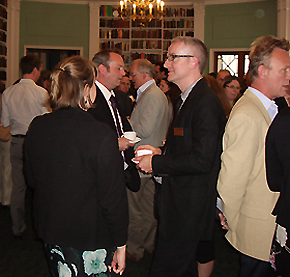
At the “Why Pay for Content?” conference run recently by the British Publishers Association, chair of the debate, David Warlock from research consultants Outsell (UK) told delegates:
“We face significant and revolutionary change, to this world of learning and higher education - the questions about free and inevitable price free content”.
Founder of Flat World Knowledge, Eric Frank said the academic publishing sector faces “a stark choice”, which means providing at least some free content.
His two suggestions were a totally free model or a “free as in more liberty, more flexible to use content” approach.
The Flatworld 'open access' business model aims to provide free textbooks online from top authors, which are peer reviewed and professionally developed. The books can be customised with chapters added and deleted and the contents adjusted accordingly through the company's website. People can pay for various other formats, including audio and printed versions.
Managing Director for Palgrave Macmillan, Dominic Knight said that in a £3bn academic books market, the 40% he estimates is spent on creating content is too high. He believes that publishers should remember that digital formats might not suit all users, especially those in countries where there isn’t an uninterrupted power supply to computers.
He said: “Intellectual property is often undervalued and somebody somewhere has got to pay for it”.
He believes it will be difficult for publishers to reduce costs. He suggests students will continue to want top quality texts, academics will want to be paid for their research and reducing the quantity of texts or digital formats available could have negative implications for considered academic debate in the future.
David Prosser, Director of SPARC Europe, an alliance of research led university libraries across Europe added his support to 'open access' as a sustainable model.
However, he suggests a bigger revolution than the move from printed text to digital formats could be ahead and that with 'open access' to research, there might not be a ‘definitive’ version of academic articles on particular subjects in the future.
Managing Director of Global Medical Research at Elsevier Health Sciences, Nick Baker, was a strong advocate for the financial efficiency of digital formats.
He said the availability of articles in a digital format had reduced access costs to less than £1 per academic articles.
“I challenge someone to organise something on a more efficient basis”, he said.
In discussing the development of a sustainable business model for academic publishing, Frances Pinter from Bloomsbury Academic warned there would be “huge casualties along the way eventually leading to a better and more accessible body of scholarly content”.
Click here for main Publishers page...
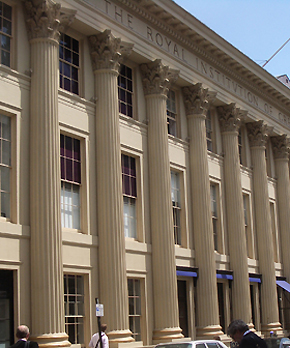
Educational Publishers meet at Royal Institute
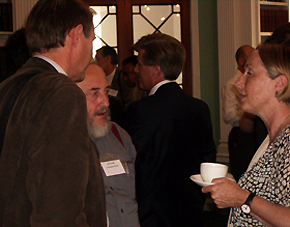
Conference delegates debate publishing