
On the dole with a degree
Irish state jobs agency FAS has predicted that 70,000 graduates will be on the dole by the end of the year.
This was announced after a survey called ‘Grade Salary and Graduate Recruitment Trends 2009’ showed that nearly a third of graduate employers will not be recruiting this year.
Leeds graduate David Hurst has recently had to sign up for income support, “during vacation times in my previous years at Uni I've walked into summer jobs so I assumed I'd be able to pick something easy up straight out of Uni to tide me over, but that has been far from the case and now I'm on the dole.”
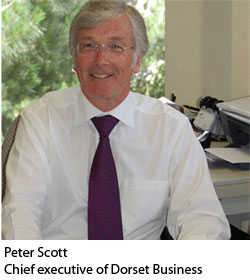
There is nothing new about thousands of graduates struggling to find work, according to chief executive of Dorset Business, Peter Scott.
“Locally, and even in the best of economic times, graduate retention remains an issue; especially with a new cohort of graduates ‘coming onto the market’ in the near future.
“The downturn in the economy means the situation will become more acute and the harsh reality for a good number of graduates will be the prospect for unemployment.”
Mr Scott added that at this time he is looking to “credible politicians such as Ed Balls (Secretary of State, Department or Children, Schools and Families) to take a lead on this and make sure that employability skills are embedded in the workforce tomorrow, today.”
From July the government is offering extra support for graduates seeking help during the credit crunch.

HEFCE is an another organisation which receives government funding to assist higher education institutions, Acting head of skills Sarbani Banerjee says: “next year we’ll allocate some £8bn of funding to universities and colleges in England, we fund teaching and research and related activities.”
Although HEFCE (Higher Education Funding Council for England) runs alongside the government they also have their own schemes, “we are helping support institutions to put on their own activities to help graduates who might be struggling to find jobs.”
Their new funding scheme, The Economic Challenge Investment Fund, is helping universities work more closely with job centres and other organisations to support unemployed professionals, “it might be advising people who are newly employed…when they step in to Job Centre Plus probably ordinarily would not find the right level of advice to help them to get into other employment.”
Demand for extra places in higher education is high because of the recession, “at the moment we are in correspondence with the government about that issue” adds Ms Banerjee.