Latest News
Adult diseases target children
Unhealthy eating: cheaper way out?
Reduced PE blamed for child obesity
Bariatric surgery cuts cancer risks
Modern lifestyle: A Destruction of evolution
Surgery cost reduces popularity

SURGERY: THE GOLDEN STANDARD FOR OBESITY?
According to ‘Statistics on Obesity, Physical Activity and Diet Report 2009, there has been a 40% rise in bariatric surgery from 1951 in 2007 to 2724 last year. The procedures included stomach stapling, gastric bypasses and sleeve gastrectomy.
Chief executive of The NHS Information Centre Tim Straughan said: “The report highlights the scale of the country's obesity problem and shows increasing NHS treatment using weight-loss surgery and medications.”
The origins of surgical practice can be traced back to the 1970s when research showed that some types of ‘stomach’ surgery caused permanent weight loss.
Since then surgeons and experts in the medical field have developed and modified the techniques to benefit people, specifically those who are obese.
It wasn’t until a few years ago however, that surgery was used frequently and often to combat obesity and to help people with weight problems. There has been a sharp rise in the number of surgeries performed each year.
Laura Jackson*, member of Overeaters Anonymous believes that her life has changed. “Of course there are social benefits but it’s morre about health. I am healthy and I feel it. I had tried pills and diets but nothing work. For me surgery was the only solution.”
According to the BOSPA (The British Obesity Surgery Patient Association), the most commonly prescribed ‘stomach’ surgery is the restriction one wherein there is a physical reduction of the pathway for food in the upper digestive tract. The restriction can be either fixed or adjustable.
Most people opted for the gastric band which is an adjustable band around the stomach which reduces the amount of food that can be consumed. Another method is the gastric sleeve which reduces the size of the stomach by about 75%. A method which has short-term benefits is the gastric balloon which fills the stomach thereby making a person feel full to a certain extent at all times.
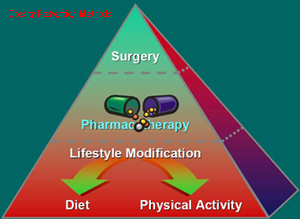 Despite this growing popularity and effectiveness of bariatric surgery some doctors are sceptical about the sudden preference of surgery over other methods.
Dr.Prof.Yves Van Nieuwenhove, Head of Clinic, Department of Gastrointestinal Surgery, University Hospital Gent says, “Surgery achieves results of significant weight loss, but at a price of surgical complications. These complications are not that frequent, but force us to restrict surgery for people where the alternatives (conservative therapy) result in more serious disease.”
Also, some people perhaps misunderstand surgery and its benefits as bariatric surgery is still being associated too much with esthetic surgery. Thus the rate of ‘success’ of the surgery differs. 
“In selected patients, the success rate is reaching 100%. The question is how one should define success. For me it is the significant reduction of weight, and not the development of a lean body,” says Dr.Prof.Van Nieuwenhove.