06 July 2007
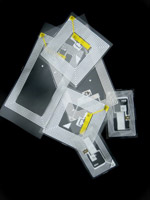
Heathrow airport is to trial “smart tags” on luggage but there are fears that the technology could boost cases of identity theft.
BAA will install RFID scanners on selected check-in desks at Heathrow, where staff will tag bags then scan them into the new trial system as part of the check-in process.
The Radio Frequency Identity (RFID) technology used in the smart tags is also used in UK passports issued after May 2006.
It works like a barcode but no contact with the scanner is needed as long as the tag is within the radio frequency range.
But director of secure IT solutions firm The Bunker Adam Laurie, has ‘cracked’ the tag using cheap RFID scanners and a software code.
He said that this puts passengers’ identity at risk: “There’s nothing good about RFID technology. It’s not secure - the information contained in the chip is not encrypted.”
RFID product consultant Lawrence Archard said that although software engineers may be able to crack the code, the actual technology is secure.
"A lot of people are picking up on the encryption side of RFID whereas the encryption doesn't actually rely on the radio frequency part of the technology," he said.
Chairman of RFID analysis firm ID TechEx Peter Harrop said: “Heathrow will benefit from fewer lost bags and better efficiency through automation."